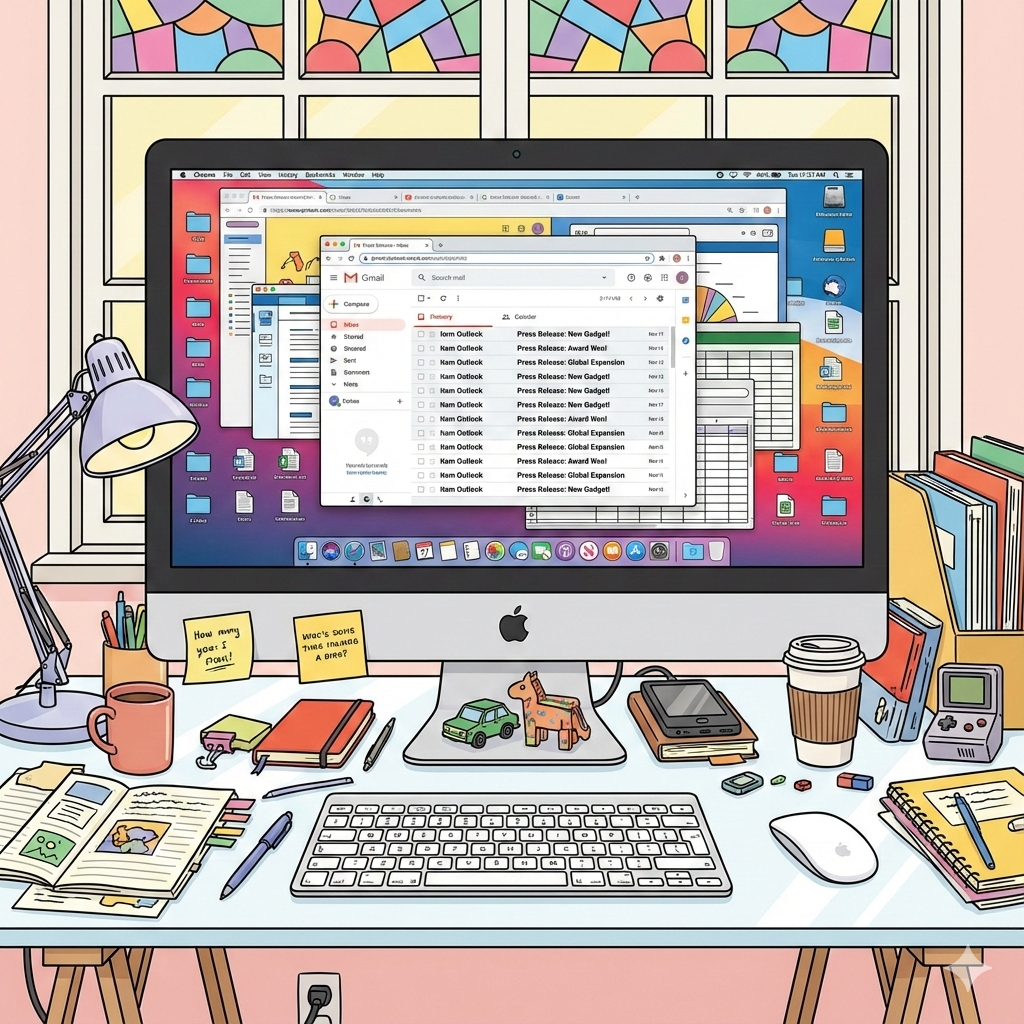
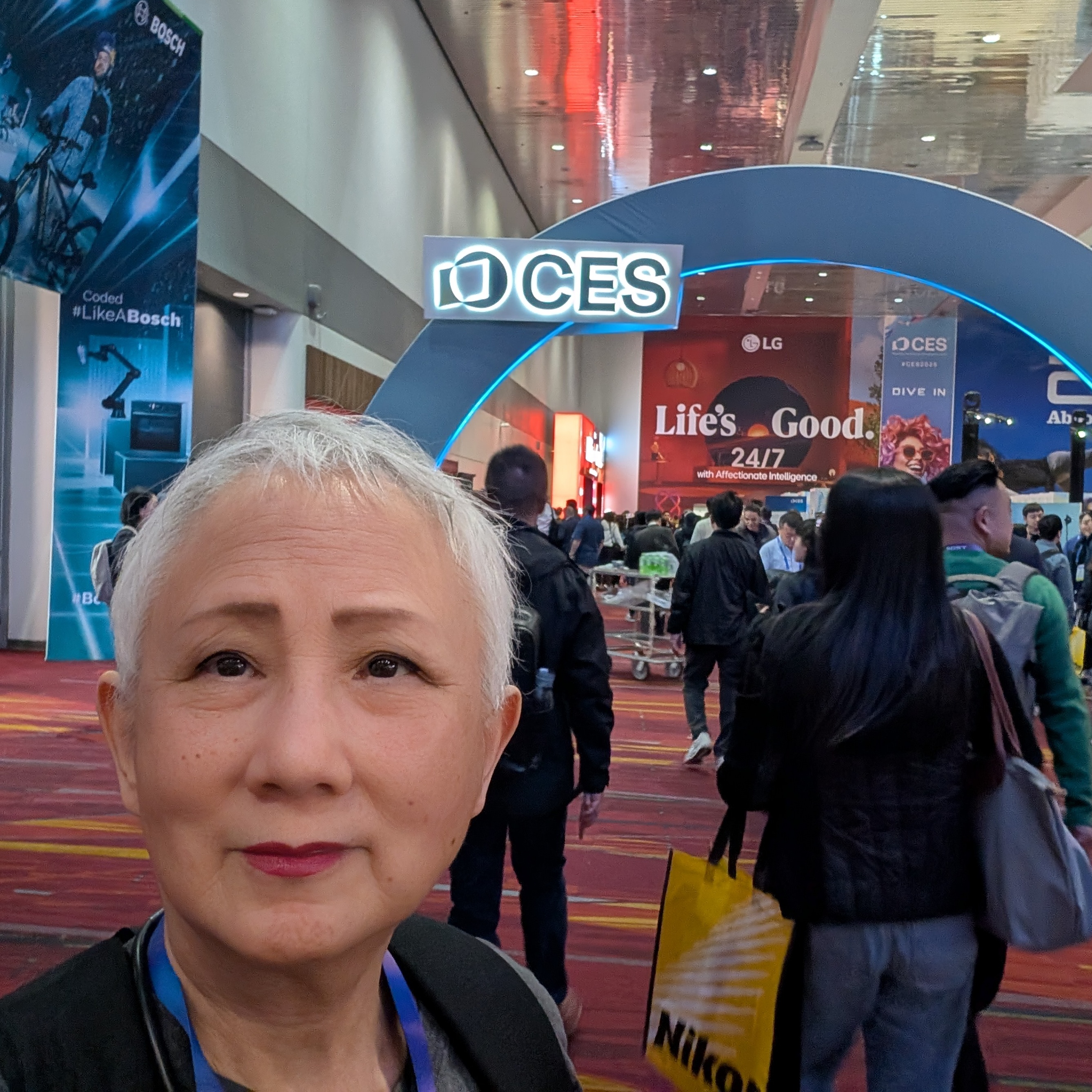
Every January, CES (the Consumer Electronics Show) takes over Las Vegas — and my inbox.
Last year, in the weeks leading up to the show, press releases arrived in a steady stream that quickly became a torrent. For CES 2025, I received well over a hundred pitches. As a writer, creator, and lifelong learner, I genuinely want to discover innovations that are offbeat, curious, or quietly meaningful — the kinds of stories readers enjoy.
But this volume creates a problem.
Last year, I was short on time. I was skimming, deleting, and moving on, all while knowing I was probably missing something interesting. Worse, the process caused a constant, low-grade anxiety: What if the best story is buried in here somewhere?
Complicating things further, I was also dealing with a personal emergency. I didn’t have the bandwidth to manually sift through everything — and I knew I needed a better system.
So, I turned to ChatGPT. Not just as a chatbot, but as a virtual research assistant I jokingly call “Chad.”
What followed changed how I approach CES — and any overwhelming information flood.
Step 1: Crunch Time — Getting Organized (Finally)
If you haven’t used an AI assistant this way before, CES season is a perfect moment to try.
Exhibitors invest heavily to attend CES, hoping for press coverage, mentions, or at least a conversation. Some pitches are thoughtful and compelling. Many… are not. Sifting through them manually to decide what’s worth pursuing is tedious and time-consuming.
That’s exactly where an AI assistant can help.
Rather than reacting emotionally to the flood, I decided to build a repeatable system for evaluation — one that would let me move quickly without missing the signal in the noise.
Step 2: Building a Framework for Evaluation
To help ChatGPT assist me effectively, I created a clear structure for reviewing each pitch. Whether I pasted individual emails or uploaded batches at once, I asked it to assess the following criteria:
- Venue and Booth Location
Where would the exhibitor be located? A niche startup area like Eureka Park, or a major hall with established players? - Sector
What category did the product fall into — AI, mobility, health tech, sustainability, education, or something else? - Innovative Angle
Was this genuinely new, or just a repackaging of something familiar? Did it solve a real problem? - Consumer Appeal
Would this resonate with everyday users, or was it designed for a narrow professional audience? - Logistics
Were booth numbers, demo times, and press invites clearly stated and actionable?
I uploaded emails in batches and let ChatGPT do the heavy lifting — summarizing each pitch concisely, flagging missing information, and highlighting potential standouts.
(As an aside: it’s astonishing how many exhibitor emails omit basic details like venue or booth number. Truly bonkers.)
Step 3: Panning for Gold
Once the summaries started rolling in, patterns emerged.
From wearable AI wristbands and gamified education tools to sustainable tech and even stringless guitars, I began pulling the top two or three candidates from each batch. I then asked “Chad” to compare themes across sectors and organize everything into a working matrix.
That matrix included:
- Company name
- Product category
- Venue and booth number
- Core innovation
- Why it stood out
This gave me something I’d never had before: a bird’s-eye view of CES. Instead of reacting to noise, I could see where fresh ideas were brewing.
Step 4: The Final Stretch (and Cross-Device Flexibility)
With my flight approaching, I did a few final reviews on my phone, feeding new summaries into the system. Later, back at my computer, I asked ChatGPT to update the matrix with the latest insights.
This is where AI tools really shine: they’re fluid. I could pause, resume, refine, and synthesize — without losing momentum.
Most importantly, I felt calmer. I wasn’t drowning in information anymore. I had a capable research assistant working alongside me.
What Rose to the Top
Here are a few of the less-conspicuous discoveries that surfaced through this process — companies I might have otherwise missed:
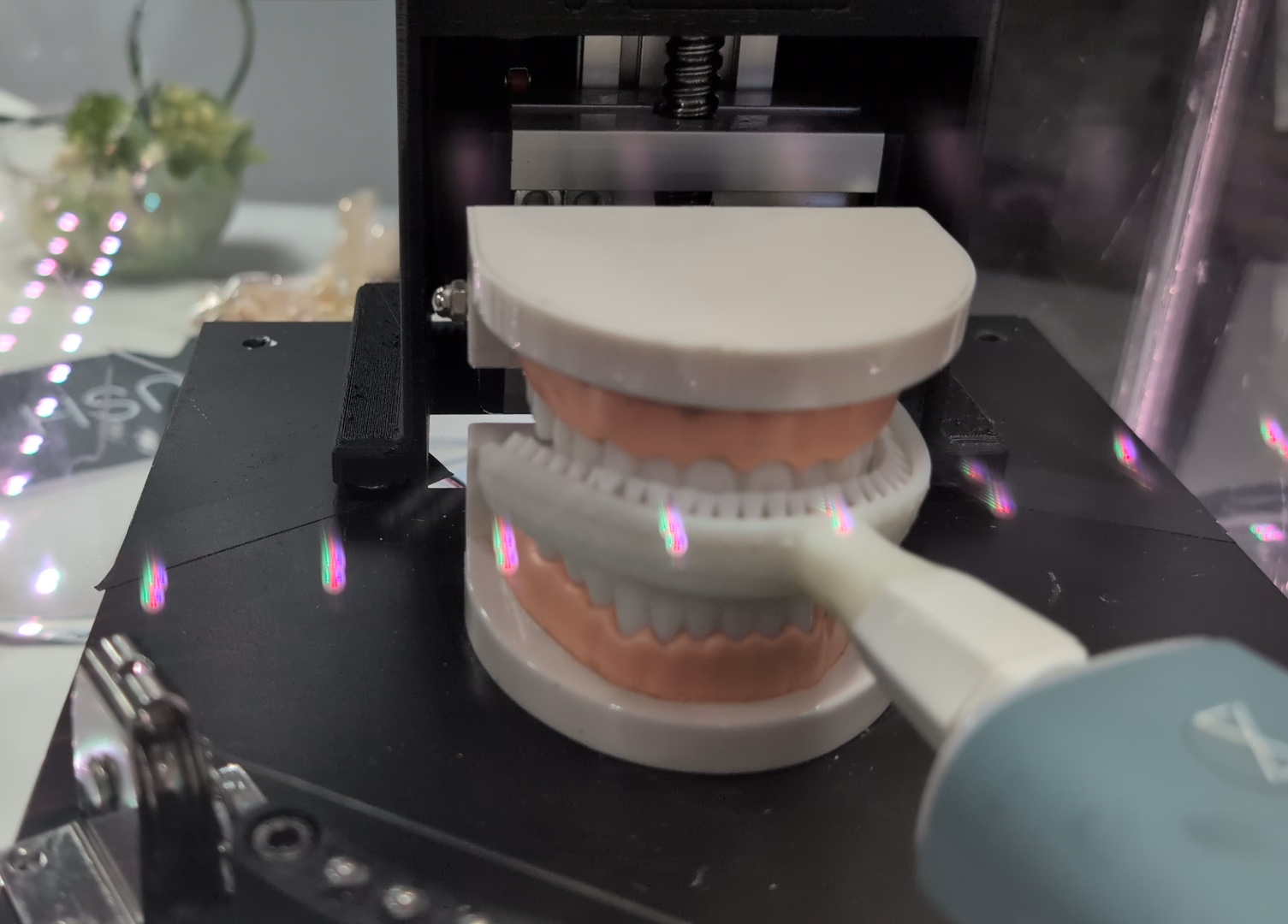
Y-Brush
A 20-second toothbrush with medical backing and a unique design. I found it strange and compelling enough to consider an interview. Ultimately, the design didn’t win me over, so I passed — but they’re debuting a new product at CES 2026, and I’m curious to see what’s next. Website: https://y-brush.co/
Urtopia E-Bike
Featuring one of the world’s lightest, torque-dense motors and an AI-powered riding assistant. Once on the show floor, I found the bike visually impressive — though I couldn’t connect with anyone for a deeper conversation.
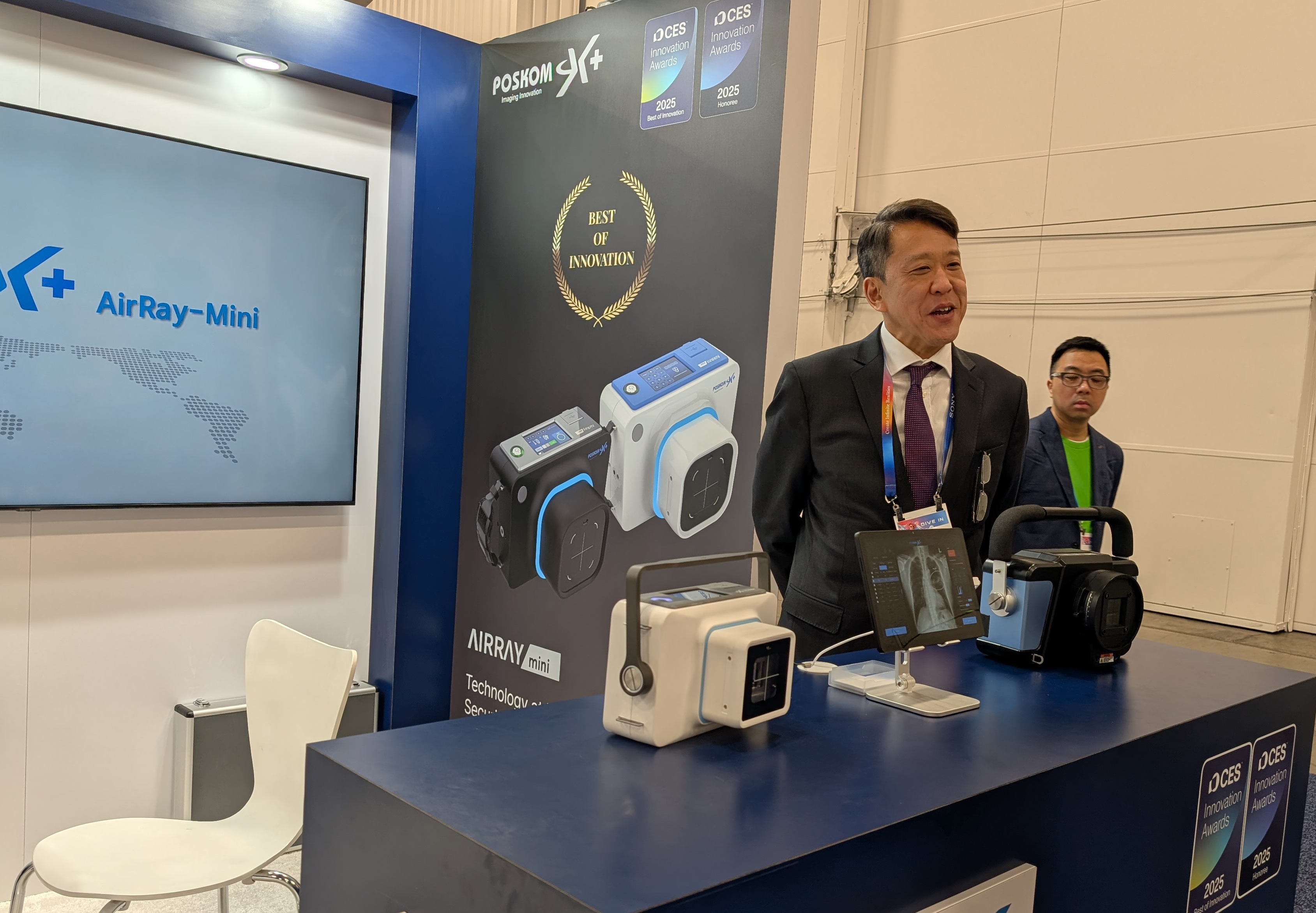
POSKOM
A standout in medical technology, POSKOM produces high-quality diagnostic X-ray systems, including portable battery-powered models used in both medical and veterinary settings. This exhibit exceeded expectations and went on to win a CES 2025 Best of Innovations Award. Website: 🔗poskom.com
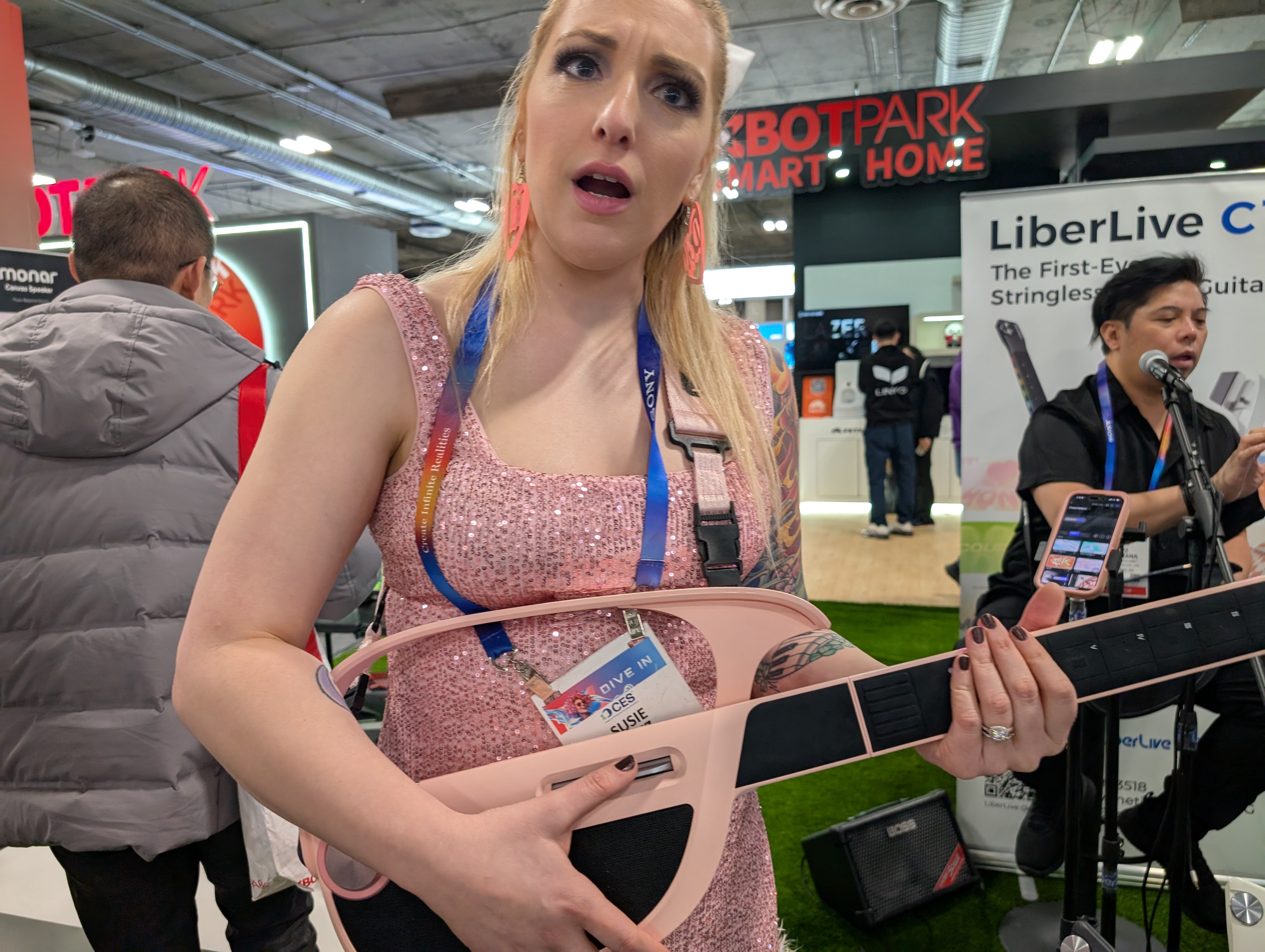
LiberLive Stringless Guitar
A sensory-based music innovation that immediately sparked curiosity. A stringless guitar? Why — and how? It struck me as a playful way to enable aspiring musicians.
Website: 🔗 liberlive.com
Kara Water
One of my favorite stops at CES. Kara Water solves a real problem — access to clean, fresh water — with a simple yet powerful idea. It’s the kind of innovation that feels both practical and quietly inspiring.
Website: 🔗 karawater.com
Note: Earlier post about Kara Water: https://terri-nakamura.com/2025/10/30/turning-thin-air-into-hope/
None of these were the biggest names at CES. But they sparked curiosity, addressed real-world problems, or simply made me smile — which is exactly what I hope to find.
Extra Ways to Use AI for Sorting and Decision-Making
CES isn’t the only place this approach works. If you’re facing a mountain of information — emails, articles, pitches, or research — an AI assistant can act as a co-pilot. Here are a few additional techniques:
- Tagging and Categorization
Ask it to assign categories or themes (AI, sustainability, health tech). - Priority Ranking
Have it rank items based on custom criteria like relevance or impact. - Summary + Sentiment Pairing
Generate one-sentence summaries and assess tone or clarity. - Matrix Building
Create structured tables with venues, features, timelines, or costs. - Comparative Analysis
Identify what makes one option stand out within a crowded category. - Drafting Follow-Ups
Use it to prepare interview questions or outreach emails once priorities are clear.
These techniques apply to job searches, vendor comparisons, research projects, or even travel planning.
What I Learned (and What You Can Too)
If you’re attending CES — or dealing with any kind of information overload — ChatGPT and similar tools can be more than a novelty. They can become genuine productivity partners.
- 🧠 They help you think clearly by structuring chaos
- ✍️ They support writing, summaries, and comparisons
- ⏱️ They save time when pressure is high
Most importantly, they help keep your head above water when the flood is rising — much like the weather in Seattle these past few weeks.
Here’s a post from Engadget describing this year’s show: Everything we’re expecting from tech’s biggest conference in January | https://www.engadget.com/big-tech/ces-2026-everything-were-expecting-from-techs-biggest-conference-in-january-120000106.html

Final Thoughts
Whether you’re a journalist, content creator, founder, or simply a curious explorer, your time and energy are limited. Having an AI assistant can help you focus on what’s truly worth your attention — not just what’s loudest.
Am I doing this again for CES 2026? Absolutely. In fact, I can’t imagine tackling another inbox flood without it.
If you’re attending CES this year, I would love to make your acquaintance. I’ve been connecting with some on LinkedIn though I’m not personally acquainted. Real-life will always be my first choice. Please message me and let me know when you’ll be there.
Ever curious,
Terri Nakamura
© 2025 Terri Nakamura
(All photos © Terri Nakamura, CES 2025, Las Vegas; feature illustration via Nano Banana)
www.terrinakamura.com
 Stories, Social Media & Tech
What an impressive use of AI! Sounds like another great CES!
LikeLike
Thanks for reading! I wish CES was open to the general public, so more people could experience it!
LikeLike
In a sea of technology that so often just makes our lives more complicated, how nice it is to have one that actually can make life simpler!
LikeLike
Greg, for some reason I was unable to post a reply, but thanks so much for taking a look at this. The more I use various AIs the more I learn. It’s kind of mind boggling what I’ve been able to do by using it.
LikeLike
Gads, Greg. I finally was able to log into WordPress! Sorry for the delay, but I’m really grateful for your feedback. There are now so many AIs to choose from, and many are good at specific things (like Sora for videos). I hope people take advantage of them while many offer free (limited accounts). Cheers and thanks again!
LikeLike